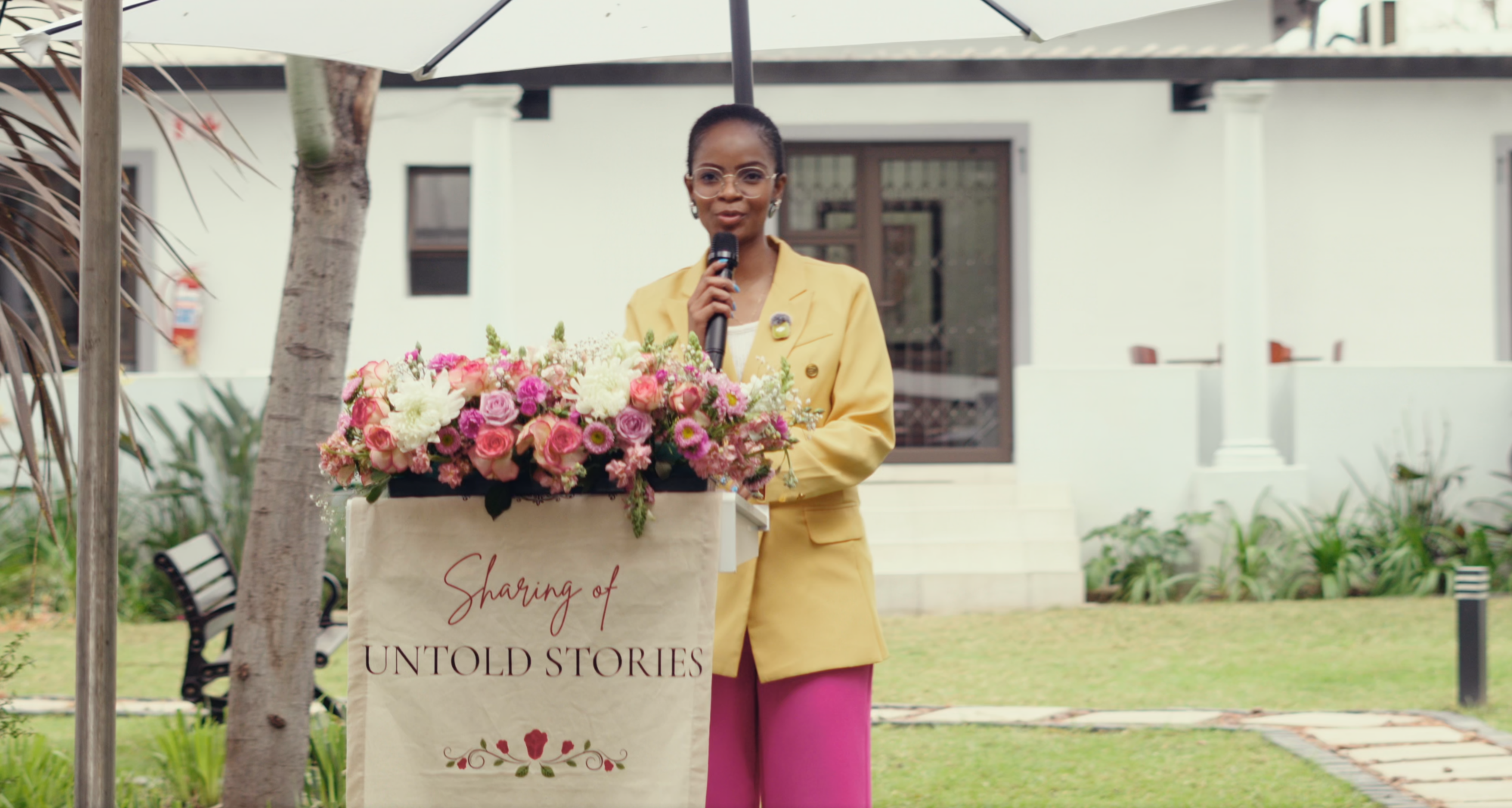
On 10 August 2026, Keep Hope Alive hosted Untold Stories, a meaningful gathering created to give people navigating grief an opportunity to share, listen and connect through the experiences that are often difficult to put into words. The event was not simply another gathering on the Keep Hope Alive calendar. It was an intentional space created around one of the most important parts of the grieving journey: having the freedom to tell your story, in your own time, and in an environment where you do not have to explain or justify how you feel.
Grief is often treated as though it has a clear beginning and an expected ending. There is a funeral, condolences are shared, family and friends gather, and eventually life appears to return to normal. But for the person experiencing the loss, normal may never quite feel the same again. Grief can follow you into ordinary moments and unexpectedly resurface through a song, a photograph, a familiar place, a birthday, an anniversary or even something as simple as wanting to pick up the phone to call someone who is no longer there. The world continues moving, but the person grieving can often feel as though a part of their world has stopped.
This is part of what made Untold Stories so important. The event acknowledged that grief cannot be placed on a schedule. There is no universal timeline for healing, and there is no particular point at which someone should simply be “over it”. Some people may begin to feel better within months, while others may carry their grief for years. Some may want to talk about the person they have lost, while others may struggle to say their name. Some may find comfort in memories, while others may initially find those same memories painful. All of these experiences are valid, and Untold Stories created room for that reality.
At the heart of the event was storytelling. There is something deeply powerful about hearing someone speak openly about an experience that may have previously existed only inside their own mind. Sharing a story can be an act of vulnerability, particularly when that story involves loss, pain, regret, loneliness or the complicated emotions that often accompany grief. It requires courage to acknowledge that you are struggling. It requires courage to speak about someone you miss. It requires courage to allow other people into a part of your life that you may have spent a long time protecting.
But storytelling can also be a form of healing. When we tell our stories, we give shape to experiences that can sometimes feel overwhelming or difficult to understand. We are able to name what happened, remember the people we have lost and acknowledge how those experiences have changed us. More importantly, sharing can remind us that we are not alone. A person listening to someone else’s story may recognise something of themselves in it and realise that the emotions they have been experiencing are not strange or abnormal. There is comfort in knowing that someone else understands what it means to navigate life after loss.
The listening that took place during Untold Stories was just as important as the stories themselves. In a world where people are often quick to offer advice, solutions and encouragement to “move forward”, there is something powerful about simply being present with another person’s pain. Sometimes people do not need to be told what to do. They need someone willing to sit with them, listen without judgement and acknowledge that what they are experiencing is difficult. By creating that kind of environment, Keep Hope Alive reinforced the importance of community in the grieving process.
The event also highlighted the fact that grief is not only about sadness. It is about love, relationships, memories and the lives that continue to be shaped by the people we have lost. When someone dies, their physical presence may disappear, but their influence can remain. Their words can stay with us. Their traditions can continue through us. Their values can shape the way we raise our children, build relationships and make decisions. Their laughter, personality, mannerisms and the small details that made them who they were can become treasured parts of our memories.
In that sense, telling someone’s story is also an act of remembrance. It allows us to remember a person as more than the circumstances surrounding their death. It allows us to speak about who they were when they were alive, what they meant to us and the impact they had on the people around them. Sometimes the most meaningful memories are not the major milestones but the ordinary moments: conversations in the kitchen, jokes shared at home, familiar routines, celebrations, disagreements and little things that seemed insignificant at the time but become precious after someone is gone.
Untold Stories also created an opportunity to challenge some of the misconceptions surrounding grief. One of the most damaging expectations placed on grieving people is the idea that healing means forgetting. It does not. Moving forward does not mean leaving someone behind. Finding happiness again does not mean that you loved the person any less. Laughing again does not erase the pain of losing them. Grief and joy can exist at the same time, and learning to live again does not diminish the importance of the person who is no longer physically present.
This understanding is closely connected to the work of Keep Hope Alive. The organisation recognises that people experiencing the death of a loved one need more than condolences during the immediate aftermath of a loss. They need community, understanding and spaces where their experiences can continue to be acknowledged long after the funeral has ended. They need to know that there is no rush to “get over” their grief and that their journey does not have to look like anyone else’s.
The message of Untold Stories was therefore not that everyone needs to speak immediately. In fact, the opposite is true. The event created an environment where people could speak when they were ready and simply be present when they were not. Sometimes attending a gathering, listening to someone else’s experience or sitting among people who understand can be an important first step. Healing does not always begin with a conversation. Sometimes it begins with knowing that a safe space exists when you eventually need it.
There is also something significant about bringing people together around shared experiences. Grief can be incredibly isolating, particularly when the people around you return to their normal routines while you are still trying to understand your new reality. Events such as Untold Stories provide an opportunity to reconnect with community and discover that although every person’s experience of loss is different, there are emotions and challenges that many people understand. That shared humanity can become a source of comfort.
Ultimately, Untold Stories was about more than the stories that were spoken on the day. It was about the stories people continue to carry with them after leaving the room. It was about the memories that deserve to be remembered, the emotions that deserve to be acknowledged and the experiences that deserve compassion rather than judgement. It was a reminder that there are many dimensions to grief and that every person’s journey deserves to be respected.
When an event ends, the venue eventually becomes quiet again and people return to their everyday lives. But the impact of a gathering like Untold Stories does not necessarily end when the day is over. A person may leave feeling lighter because they finally shared something they had been carrying. Someone else may leave with a deeper understanding of their own grief after hearing another person’s experience. Another person may simply leave knowing that they are not alone. These moments may not always be visible, but they are part of what makes spaces like this so important.
The name Keep Hope Alive carries a powerful meaning in this context. Hope does not always mean feeling happy or believing that everything will suddenly be okay. Sometimes hope is simply finding the strength to get through another day. Sometimes it is allowing yourself to experience joy without guilt. Sometimes it is telling your story for the first time. Sometimes it is listening to someone else and realising that you are not the only person trying to figure out how to live with loss.
Untold Stories reminded us that grief and hope can exist together. A person can deeply miss someone and still find moments of happiness. They can carry pain while continuing to build a future. They can remember someone while still creating new memories. Healing does not require us to erase the past. Instead, it can mean learning how to carry the past with us in a way that allows us to continue living.
As Keep Hope Alive continues creating spaces for people navigating grief, Untold Stories stands as a reminder of why these conversations matter. Every person carries a story, and sometimes the stories that need to be heard most are the ones that have remained hidden because they were too painful, too complicated or too difficult to explain. Giving those stories a place is an important part of building a community where people feel seen, heard and supported.
To everyone who shared their story, listened to another person’s experience, offered comfort, showed vulnerability or simply showed up, Untold Stories was made meaningful by your presence. Every story shared and every moment of connection contributed to a space where grief could be acknowledged without shame and where people could be reminded that they do not have to navigate their journey alone.
The stories may have been untold for a long time, but they were never insignificant. They are part of people’s lives, identities, memories and legacies. By creating space for those stories, Keep Hope Alive continues to affirm an important truth: there is no rush when it comes to grief, there is no single way to heal, and even in the midst of profound loss, there can still be hope.